
Publications
The Business of Weather consultants have produced a wide range of publications across the Global Weather Enterprise.
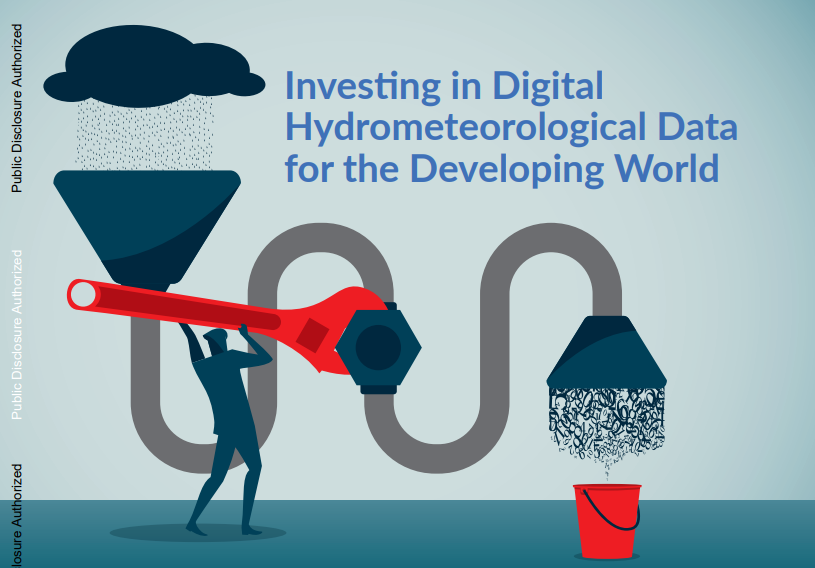
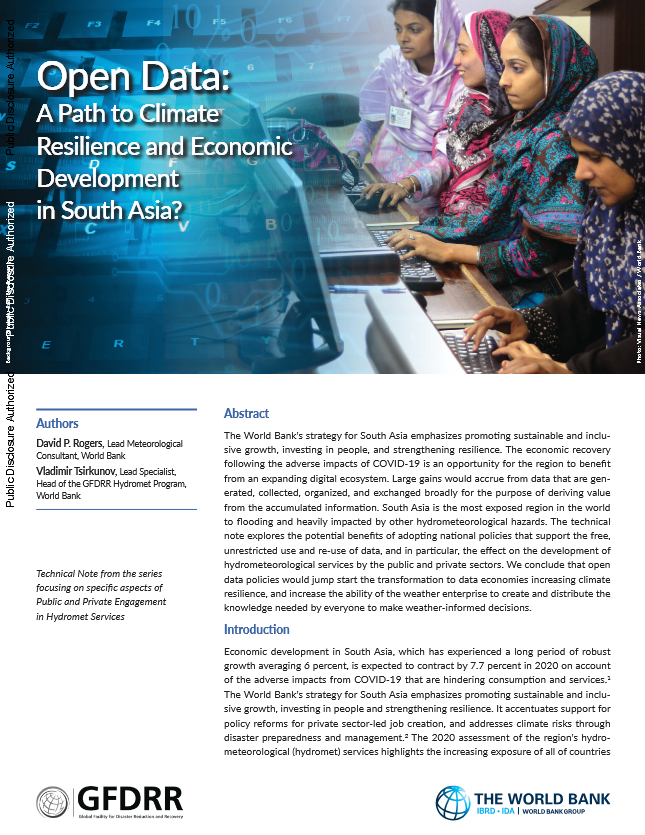
Investing in Digital Hydrometeorological Data for the Developing World
Addressing many of the global challenges facing humankind requires the availability, access, and use of huge volumes of digital hydrometeorological (hereafter “hydromet”) data needed to inform decision-making to save lives and infrastructure as well as to exploit the associated economic opportunities. The global challenges include the world’s increasing vulnerability to weather, climate, and water stresses, and they are especially acute in developing countries. This technical note outlines the opportunities and requirements for developing countries to be able to benefit from the digital hydromet data revolution.
Creating Value in the Global Weather Enterprise
Authors: Professor Alan Thorpe and Dr David Rogers
The global weather enterprise creates high value weather and climate information that produce a wide range of social and economic benefits, including the protection of citizens and infrastructure from natural hazards. This technical note examines the ways in which the structure and operation of the weather market can maximize the creation of value.
Significant economic advantages result from establishing clarity in, and a greater recognition of, the value each producer creates. This would incentivize fair competition, pervasive cooperation, and greater exploitation of coproduction.
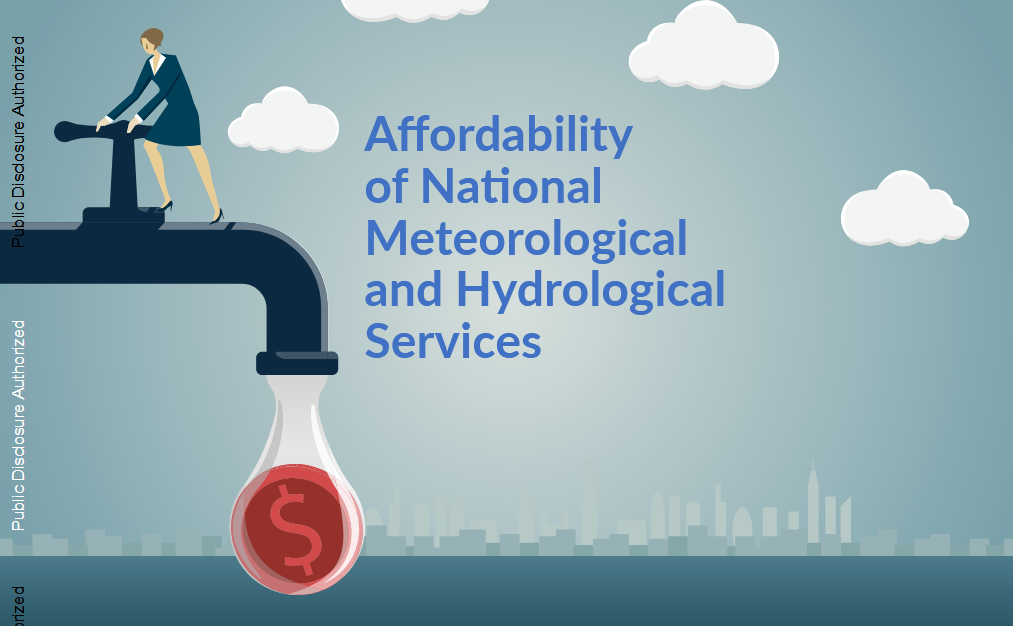
Affordability of National Meteorological and Hydrological Services
Authors: Dr David Rogers et al
When low levels of government investment are combined with out-dated management practices, even high levels of effort and investment by development partners will not bring about any significant improvement in the services provided by National Meteorological and Hydrological Services (NMHSs) in low- and middle-income countries (LMICs). The result is often a cycle of a low quality of services that improve slightly following investment in new systems; this is then followed by a steady decline due to lack of maintenance of observational networks and other systems. The upshot is a return to a service with diminished ability to fulfill its public task. This technical note explores management practices and argues that good practice is critical to the success of investments.
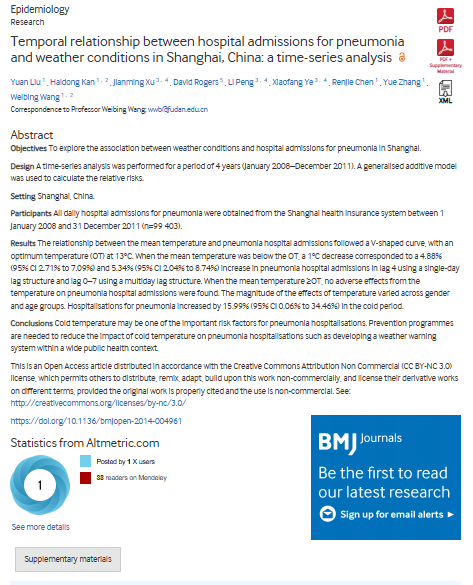
Temporal relationship between hospital admissions for pneumonia and weather conditions in Shanghai, China
David Rogers et al. / Brit. Med. Journ. Open, 4, 2014.
WMO Guidelines on Multi-Hazard Impact-based Forecast and Warning Services
David Rogers et al / WMO 1150, 2015.

Valuing Weather and Climate: Economic Assessment of Meteorological and Hydrological Services
David Rogers et al. / WMO-No. 1153, 308pp, 2015.
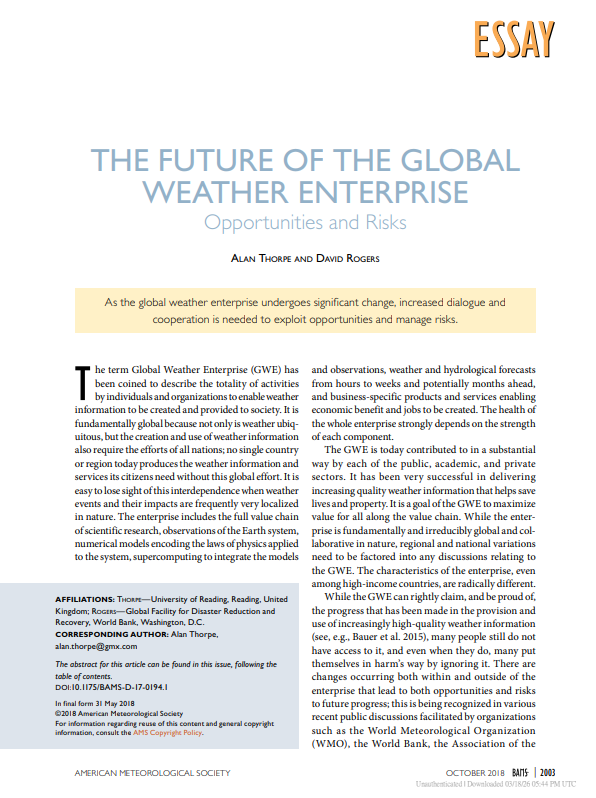
The Future of the Global Weather Enterprise: Opportunities and Risks
Alan Thorpe, David Rogers et al. / Bulletin of the American Meteorological Society.
CLICK HERE
Early Warning, Resilient Infrastructure and Risk Transfer
David Rogers et al. / World Scientific Series on Asia-Pacific Weather and Climate, Vol. 10.
Weathering the Change: How to Improve Hydromet Services in Developing Countries
David Rogers et al. / World Bank, Washington DC, 2019.

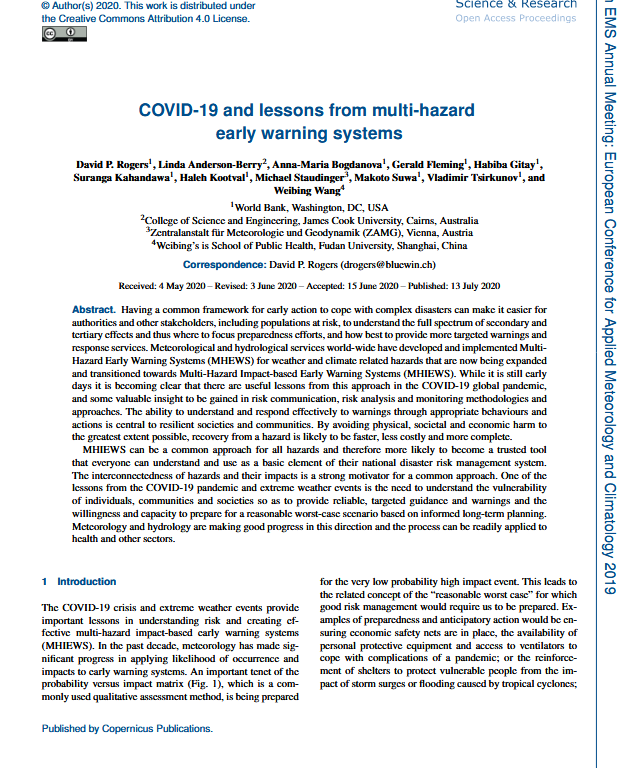
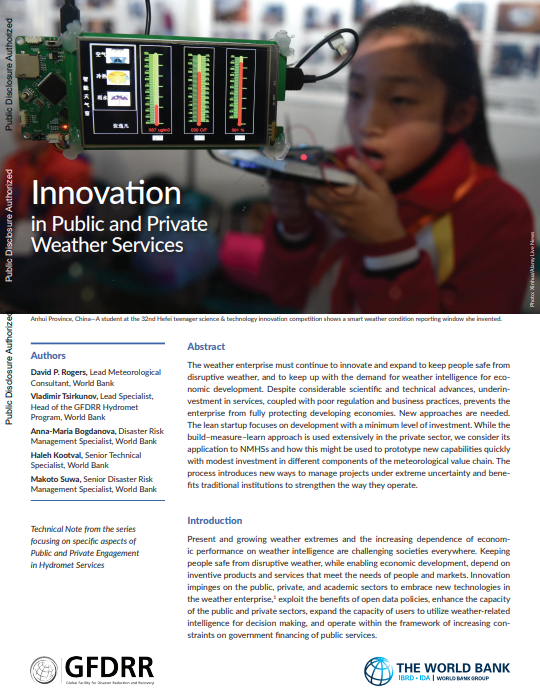
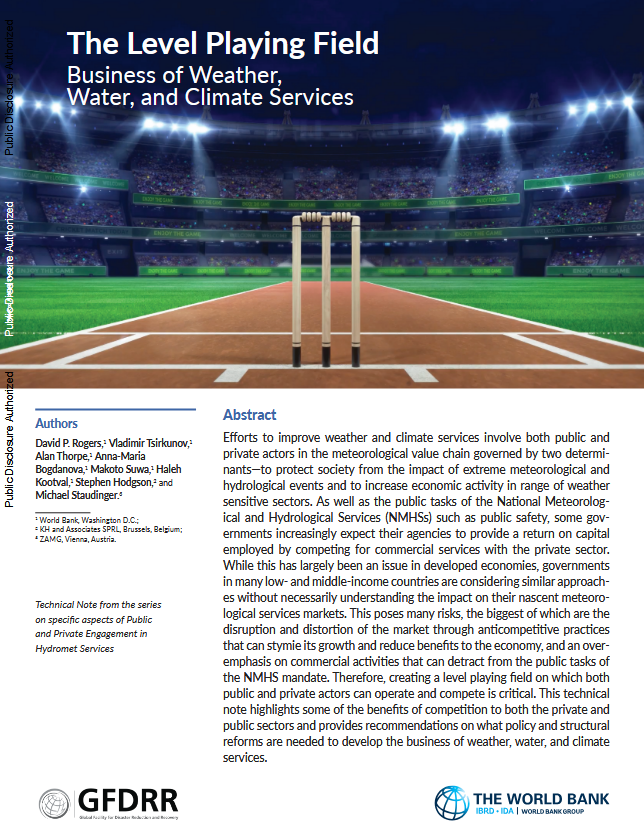
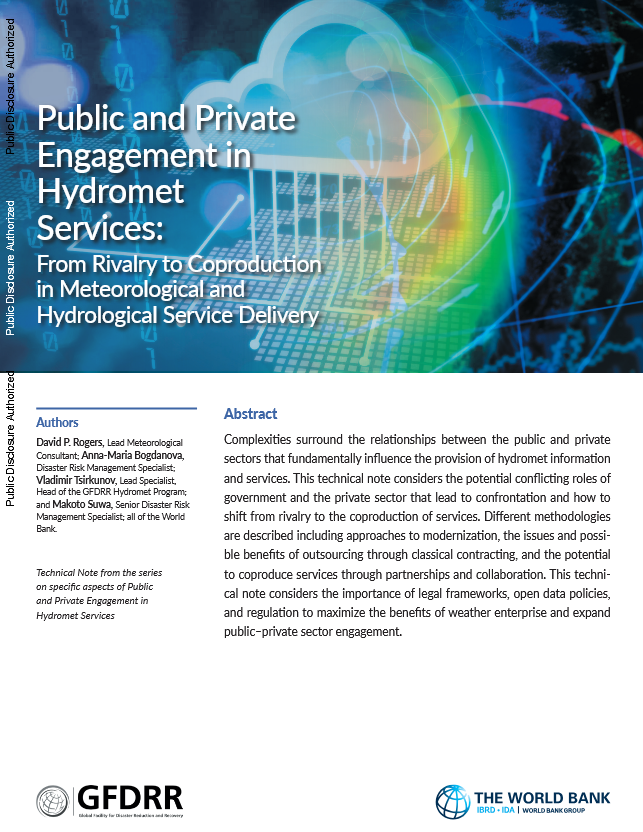

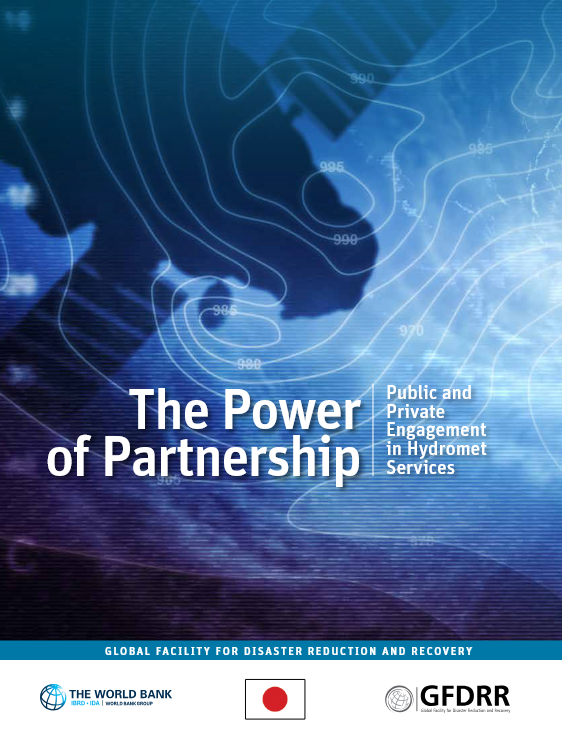
The Power of Partnership: Public and Private Engagement in Hydromet Services
The World Bank, GFDRR, 2020.
100 page report from the staff of The World Bank, with external contributions.